It’s the last week of July … which makes me realize two things. 
The first, summer is nearly half over; and the second, it’s time to talk about farm-to-table meals!
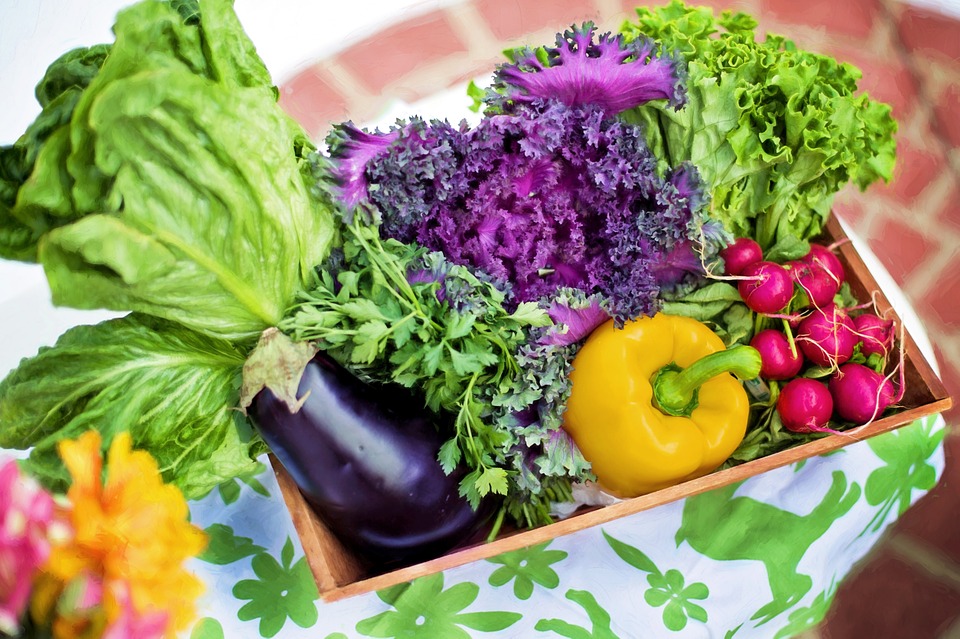
As you may have noticed, road-side fruit and veggie stands are beginning to pop-up all over Lorain County. And while at LaGrange Yoga we often focus on exercise for the mind, body and soul, it’s also important to pay attention to how we are fueling our bodies! With fruit and veggie stands, those without gardens can still experience farm-fresh foods in their own home — without having to worry about weeding around pepper plants!
There are so many wonderful reasons why to buy produce from road-side stands, including — the freshness of the product. Have you ever eaten a tomato right off the vine? Oh my goodness, it’s like a burst of flavor exploding in your mouth! Chances are, road-side stand owners pick produce fresh that morning before setting it up for sale. Nothing beats a fresh tomato, pepper or cucumber! But, a lot of times road-side stands offer veggies that you may not think to buy fresh, such as yellow zuchinni, celery, broccoli and red cabbage. Sure, we have all walked past those items in our local grocery store, but some of my friends actually plant less popular veggies too. And, if you wanted to take it one step further — you can actually enjoy fresh produce YEAR-ROUND by canning beans, cucumbers, peppers … ANYTHING! Another idea? Love fresh corn on the cob but can only find it in the summer? Buy a dozen ears of corn, cook them and then cut the kernals off the ear, place in a freezer bag and … in December when you are craving fresh corn on the cob, toss the kernals into a pot on the stove-top, cook and enjoy!
There are so many great reasons why summer is one of the best seasons … and eating fresh produce is nearly number one on my list!
Enjoy and namaste!
LaGrange Yoga
Blog
Five additional yoga poses for beginner
Last week, we introduced our readers to five of 10 yoga poses for beginners. Today, we round out the list by showcasing the final five yoga poses that each yoga student can learn for his/her practice. And remember, if you’re brand new to yoga, going to your first class might seem overwhelming. Don’t panic – yoga isn’t a race. As a beginner, establishing a stable foundation is the best thing you can do. To build the necessary strength and flexibility for more challenging poses, you’ll need to get the basics right first.
Warrior 1
Warrior poses are essential for building strength and stamina in a yoga practice. They give us confidence and stretch the hips and thighs while building strength in the entire lower body and core.
Warrior 1 is a gentle backbend; and a great pose for stretching open the front body (quads, hip flexors, psoas) while strengthening the legs, hips, buttocks, core and upper body.
How to do it: For warrior one, you can take a giant step back with your left foot coming towards a lunge, then turn your left heel down and angle your left toes forward 75 degrees.
Lift your chest and press your palms up overhead. Step forward and repeat on the opposite leg.
Warrior 2
Warrior 2 is an external hip opener and opens up the inner thighs and groin. It’s a good starting point for many side postures including triangle, extended angle and half moon balance.
How to do it: Stand with your feet one leg’s-length apart. Turn your right toes out 90 degrees and your left toes in 45 degrees. Bend your right knee until it is directly over your right ankle while keeping the torso even between the hips.
Stretch your arms out to your sides and gaze over your right hand. Hold for 8-10 breaths before straightening the right leg and turning your feet to the other side to repeat on left side.
Seated Forward Bend
It’s important to incorporate a forward bend in yoga practice to stretch the hamstrings, lower and upper back and sides. Seated forward bend is the perfect fold for everyone to start to open up the body and learn to breathe through uncomfortable positions.
If you feel any sharp pain, you need to back off; but if you feel the tension when you fold forward and you can continue to breathe, you will slowly start to loosen up and let go. You can also keep your knees bent in the pose as long as the feet stay flexed and together.
How to do it: Start seated with your legs together, feet firmly flexed and not turning in or out, and your hands by your hips. Lift your chest and start to hinge forward from your waist. Engage your lower abdominals and imagine your belly button moving towards the top of your thighs.
Once you hit your maximum, stop and breathe for 8-10 breaths. Make sure your shoulders, head and neck are all released.
Bridge Pose
A counter pose to a forward bend is a back bend. Bridge is a good beginner’s back bend that stretches the front body and strengthens the back body.
How to do it: Lie down on your back and place your feet hip width apart. Press firmly on to your feet and lift your butt up off the mat. Interlace your hands together and press the fists down to the floor as you open up your chest even more.
Imagine dragging your heels on the mat towards your shoulders to engage your hamstrings. Hold for 8-10 breaths then lower your hips down and repeat two more times.
Child’s Pose
Every one needs a good resting pose and Child’s pose is an awesome one not just for beginners but for yoga practitioners of all levels.
It’s good to learn child’s pose to use when you’re fatigued in Down Dog, before bed at night to work out the kinks, or anytime you need a mental break and stress/tension relief.
How to do it: Start on all fours then bring your knees and feet together as you sit your butt back to your heels and stretch your arms forward. Lower your forehead to the floor (or block or pillow or blanket) and let your entire body release. Hold for as long as you wish!
Thanks to our friends at The Goddess Garden, a Yoga Retreat and a Yoga Teacher Training Retreat Center in Costa Rica.
Namaste,
LaGrange Yoga
What are you looking for in a yoga class?
Ever know of someone who likes to work out hard, but also likes to feel “chill” and “heal” in a gentle class. I have a friend with a sister in this situation. And, in my friend’s opinion, her sister sure could learn to de-stress, but she doesn’t know if she could ever be still! After giving it some though, I suggested a more rigorous yoga class might be what she needs!
Some people need to stop and slow down.
A gentle, introspective/meditative practice wherein attention is given to alignment and feeling what is happening in the body with time to acknowledge the thoughts and considerations that arise and then continuing their practice.
But remember, everyone is different.
Others may need to move the body at a more rapid pace to keep the mind from wandering too far. For these clients, experiencing more challenging poses or working the body hard to rid the anxiety of the mind are what is needed.
Both types of practice require concentration and both can affect the processes of the mind and how one feels.
This week, I leave you with this: Try different types of classes. Learn what your body and mind need.
~Namaste~
Jeannette
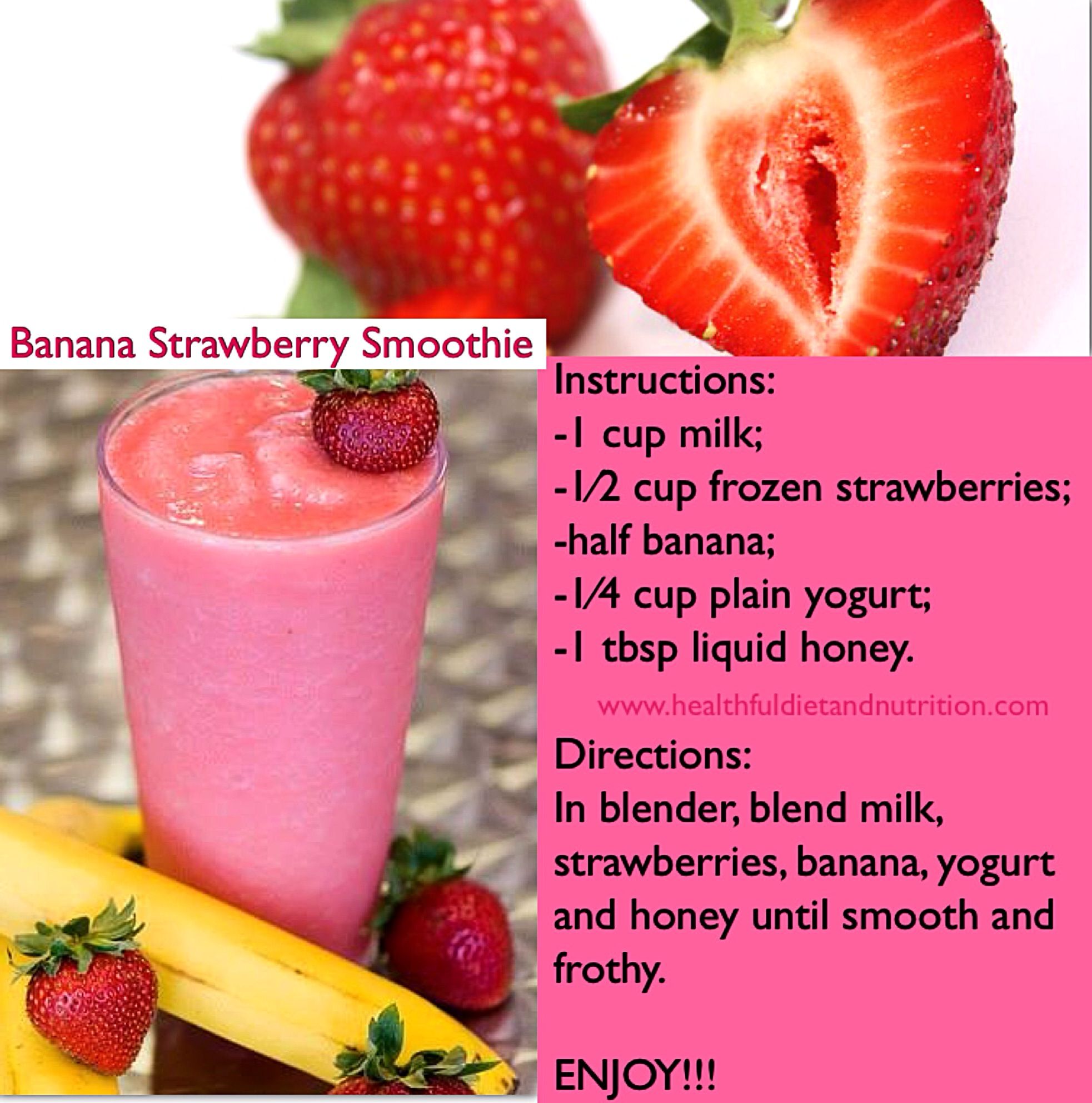
Summer recipes everyone can enjoy
With July in full-swing, that means summer is also in full-swing, but who wants to spend time cooking when you can spend time with loved ones, or doing things you love, like YOGA!
Here are a few quick and easy recipes for you to try this summer!
Enjoy!

The Top 5 Most Important Yoga Poses
1. Mountain Pose
Mountain Pose is the base for all standing poses; it gives you a sense of how to ground in to your feet and feel the earth below you. Mountain pose may seem like “simply standing,” but there is a ton going on.
How to do it: Start standing with your feet together. Press down through all ten toes as you spread them open. Engage your quadriceps to lift your kneecaps and lift up through the inner thighs. Draw your abdominals in and up as you lift your chest and press the tops of the shoulders down.
Feel your shoulder blades coming towards each other and open your chest; but keep your palms facing inwards towards the body. Imagine a string drawing the crown of the head up to the ceiling and breathe deeply in to the torso. Hold for 5-8 breaths.
2. Downward Facing Dog
Downward Dog is used in most yoga practices and yoga classes and it stretches and strengthens the entire body. I always say, “a down dog a day keeps the doctor away.”
How to do it: Come on to all fours with your wrists under your shoulders and knees under your hips. Tuck under your toes and lift your hips up off the floor as you draw them up at back towards your heels.
Keep your knees slightly bent if your hamstrings are tight, otherwise try and straighten out your legs while keeping your hips back. Walk your hands forward to give yourself more length if you need to.
Press firmly through your palms and rotate the inner elbows towards each other. Hollow out the abdominals and keep engaging your legs to keep the torso moving back towards the thighs. Hold for 5-8 breaths before dropping back to hands and knees to rest.
3. Plank
Plank teaches us how to balance on our hands while using the entire body to support us. It is a great way to strengthen the abdominals, and learn to use the breath to help us stay in a challenging pose.
How to do it: From all fours, tuck under your toes and lift your legs up off the mat. Slide your heels back enough until you feel you are one straight line of energy from your head to your feet.
Engage the lower abdominals, draw the shoulders down and away from the ears, pull your ribs together and breathe deeply for 8-10 breaths.
4. Triangle
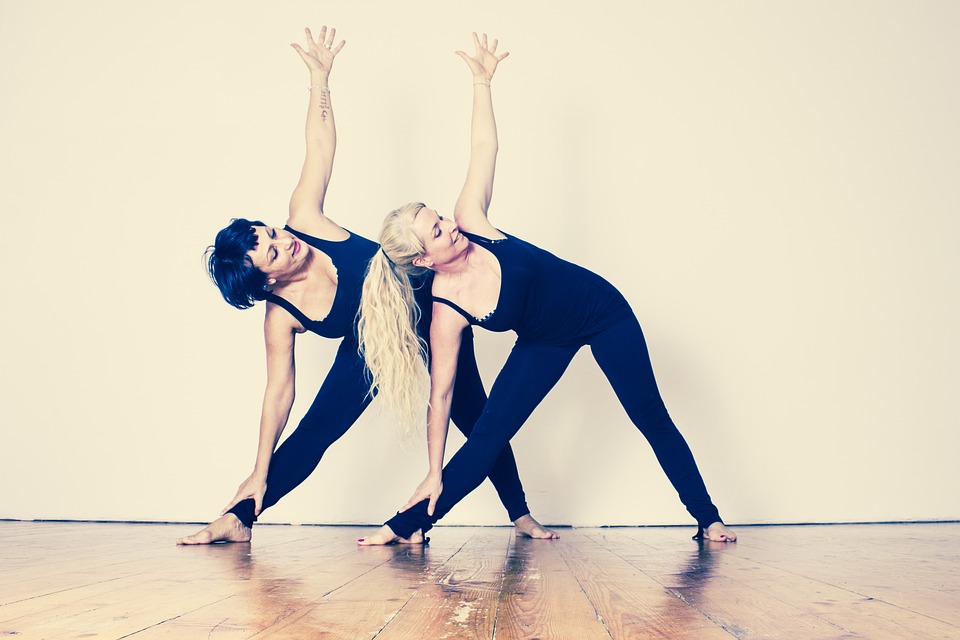
Triangle is a wonderful standing posture to stretch the sides of the waist, open up the lungs, strengthen the legs and tone the entire body.
How to do it: Start standing with your feet one leg’s-length apart. Open and stretch your arms to the sides at shoulder height. Turn your right foot out 90 degrees and your left toes in about 45 degrees.
Engage your quadriceps and abdominals as you hinge to the side over your right leg. Place your right hand down on your ankle, shin or knee (or a block if you have one) and lift your left arm up to the ceiling.
Turn your gaze up to the top hand and hold for 5-8 breaths. Lift up to stand and repeat on the opposite side. Tip: I like to imagine I’m stuck between two narrow walls when I’m in triangle pose.
5. Tree
Tree is an awesome standing balance for beginners to work on to gain focus and clarity, and learn to breathe while standing and keeping the body balanced on one foot.
How to do it: Start with your feet together and place your right foot on your inner left upper thigh. Press your hands in prayer and find a spot in front of you that you can hold in a steady gaze.
Hold and breathe for 8-10 breaths then switch sides. Make sure you don’t lean in to the standing leg and keep your abdominals engaged and shoulders relaxed.
Next week we will share five additional yoga poses thanks to our friends at The Goddess Garden, a Yoga Retreat and a Yoga Teacher Training Retreat Center in Costa Rica.
Namaste,
LaGrange Yoga